
Research That Starts with Caregivers
At Cadence, we believe the most impactful rare disease research begins by listening…especially to caregivers who navigate complex, often overwhelming journeys every day. That belief is at the heart of our partnership with We Are Brave Together, a nonprofit dedicated to supporting and providing mental health education to rare disease caregivers, particularly mothers.
Caregivers are more than participants in research– they are experts in lived experience. Through our collaboration with We Are Brave Together, Cadence is proud to support caregiver-centered research connected to a recent small retreat for 11 moms impacted by Prader-Willi Syndrome (PWS). This work is designed to create a safe, respectful space where parents and family members of patients with rare diseases can share insights that are often overlooked, but critically important, in the development of treatments and support systems.
Why Caregiver-Centered Research Matters:
In rare disease research, data can be scarce, but insights are not. Caregivers offer invaluable perspectives on daily disease management, unmet needs, emotional burdens, and treatment priorities. By partnering closely with caregiver organizations, healthcare providers, and pharmaceutical manufacturers, we help ensure that research efforts are:
- Grounded in trust and transparency
- Designed with empathy and respect
- Actionable for sponsors and meaningful for families
This collaborative approach leads to research outcomes that better reflect real-world experiences and ultimately support more patient- and family-centered innovations.
Insights from the PWS Caregiver Retreat Survey:
- The Retreat Delivered Meaningful Community Impact
A recent small retreat hosted by We Are Brave Together delivered meaningful community impact by fulfilling a critical need for connection and support among caregivers of children with Prader-Willi syndrome. Feedback from participants was overwhelmingly positive, with many moms emphasizing the profound value of shared experiences, emotional support, and practical education. Opportunities like this provide caregivers with a rare chance to step away from the daily demands of managing PWS and connect with others who truly understand their journey. Ultimately, communities like We Are Brave Together play a vital role in sustaining and empowering caregivers as they navigate the complexities of rare diseases.
- Caregivers Continue to Face Significant Treatment Gaps
At the same time, caregivers continue to face significant treatment gaps in managing Prader-Willi syndrome. While the retreat was a clear success in fostering support and connection, survey findings underscored ongoing challenges, with roughly half of caregivers reporting dissatisfaction with current treatment options. Many families remain heavily reliant on behavioral management strategies and constant supervision in the absence of effective medical therapies, making daily care both exhausting and emotionally demanding. In addition to limited treatment options, families also face a lack of accessible respite care, further compounding caregiver burden and reducing opportunities for rest and recovery. Despite the strength of the community, families are still navigating a complex disease landscape with limited therapeutic solutions.
- Hyperphagia Remains a Core Challenge, But the Treatment Landscape May Be Evolving
Hyperphagia remains one of the most persistent and challenging symptoms for families managing Prader-Willi syndrome, requiring constant food supervision, strict environmental controls, and ongoing behavioral management that significantly shapes daily life and adds considerable stress for caregivers. At the same time, the broader obesity treatment landscape is beginning to evolve, particularly with the emergence of GLP-1 receptor agonists such as semaglutide and liraglutide. These therapies, which work by reducing appetite and increasing satiety in the general population, have generated growing interest within the PWS community.
Early research and case reports suggest they may offer some benefit in improving appetite regulation and metabolic outcomes for certain individuals with PWS; however, evidence to date remains limited and mixed, with no consistent benefit demonstrated across studies, based on available clinical data and expert consensus (Finer et al., 2025).
Additionally, safety considerations are critical, as individuals with PWS may be more susceptible to gastrointestinal complications associated with these treatments. These therapies, which in the general non-PWS population work by reducing appetite and increasing satiety, have generated growing interest within the PWS community as potential treatment options. As a result, while hyperphagia continues to represent a significant unmet need, the exploration of GLP-1 therapies signals a potentially evolving treatment landscape.
- Caregivers Are Asking for Broader Symptom Management
Importantly, caregivers are not focused on addressing just one symptom of Prader-Willi syndrome but instead are seeking more comprehensive approaches to care. When asked about treatment priorities, families identified multiple areas that significantly impact quality of life—including hyperphagia, anxiety, learning disabilities, and low muscle tone (hypotonia)—and viewed them as similarly important. This highlights the multifaceted nature of the disease and the daily challenges that caregivers must navigate across physical, cognitive, and behavioral domains. As a result, families are increasingly looking for solutions that address the full complexity of PWS, with a focus on improving overall daily functioning and quality of life rather than targeting a single dimension of the condition.
- These Findings Align with Broader Cadence Research
These findings are consistent with broader qualitative research conducted by Cadence among caregivers and clinicians in the PWS community. Across studies, families consistently report that the burden of Prader-Willi syndrome extends well beyond hyperphagia, with behavioral, psychiatric, cognitive, and physical symptoms all playing a significant role in shaping daily life. Caregivers frequently express that currently available treatments fall short of addressing the full complexity of the condition, leaving many needs unmet. Taken together, these insights reinforce a clear and consistent message emerging across the PWS community: the challenges identified in this survey are not isolated, but part of a broader, ongoing experience shared by families navigating the disease.
- The Opportunity May Be Bigger Than a Single-Symptom Solution
Recent setbacks in Prader-Willi syndrome drug development highlight just how complex the disease is to treat. For example, recently, a hyperphagia-focused therapy failed in Phase 3 trials, underscoring the difficulty of delivering meaningful clinical benefit through a single-symptom approach. At the same time, caregiver insights from this research suggest that the opportunity in PWS may extend beyond targeting hunger alone. Families consistently emphasize the broad range of symptoms that impact quality of life, indicating that therapies focused on a single endpoint may not fully align with caregiver priorities. Instead, future innovation may benefit from multisymptomatic approaches that address multiple aspects of disease burden. The growing interest in GLP-1 therapies further supports this perspective; while these drugs primarily target appetite regulation, their effects on metabolic pathways and broader physiological processes point to the potential of more integrated treatment strategies. Ultimately, the next wave of innovation in PWS may come from therapies that better reflect the multifaceted, real-world needs of families.
- Rare Disease Innovation Still Holds Enormous Opportunity
Despite the challenges, rare disease innovation in Prader-Willi syndrome continues to hold enormous opportunity, driven in large part by a highly engaged and motivated caregiver community. Families consistently demonstrate a strong willingness to participate in research, a clear desire for meaningful therapeutic progress, and deep involvement with advocacy organizations and support networks. This level of engagement creates a unique environment in which patient and caregiver insights can play a critical role in shaping the direction of innovation. As a result, rare disease communities like PWS are not just participants in the research process—they are powerful partners in advancing meaningful medical progress.
- Hope Remains Strong Among Caregivers
Despite the ongoing challenges, hope remains strong among caregivers of children with high-support needs. Notably, 73% of caregivers report feeling optimistic about future treatment options and opportunities for their child, reflecting a broader sense of momentum within the rare disease space. This optimism is fueled by increasing investment in research, growing collaboration between patient communities and industry, and the remarkable resilience of families navigating PWS every day. Even in the face of limited treatment options today, caregivers continue to believe that meaningful progress is not only possible, but on the horizon.
- Closing Message
This research highlights two powerful and interconnected truths.
- Support communities like We Are Brave Together play an essential role in providing mental health education, emotional connection, practical guidance, and shared understanding that caregivers of children with Prader-Willi syndrome so deeply need.
- Significant opportunities remain to advance innovation in a disease that continues to present complex, unmet challenges across multiple symptoms.
Caregivers are not only navigating these realities, but they are also actively shaping the future through their insights, resilience, and engagement. By continuing to listen closely to their experiences and recognizing the full spectrum of their needs, there is a meaningful opportunity to guide the development of therapies that move beyond single-symptom solutions and truly improve the daily lives of families living with rare diseases.
We are deeply grateful to the caregivers who continue to share their time, stories, and expertise. Their voices play a vital role in shaping better therapies, stronger support systems, and more compassionate research practices. It’s an honor to support this work and to stand alongside organizations like We Are Brave Together that put caregivers first.

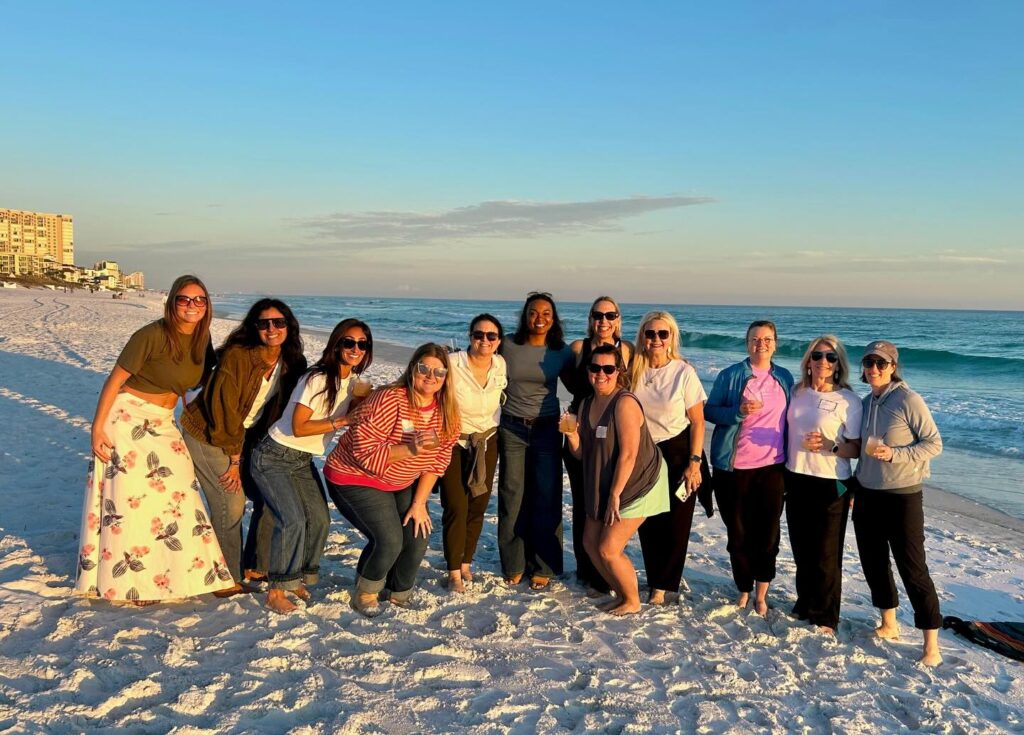
Group photo from the We Are Brave Together, Prader–Willi Syndrome Mom’s Retreat, Destin, Florida. March 2026.